
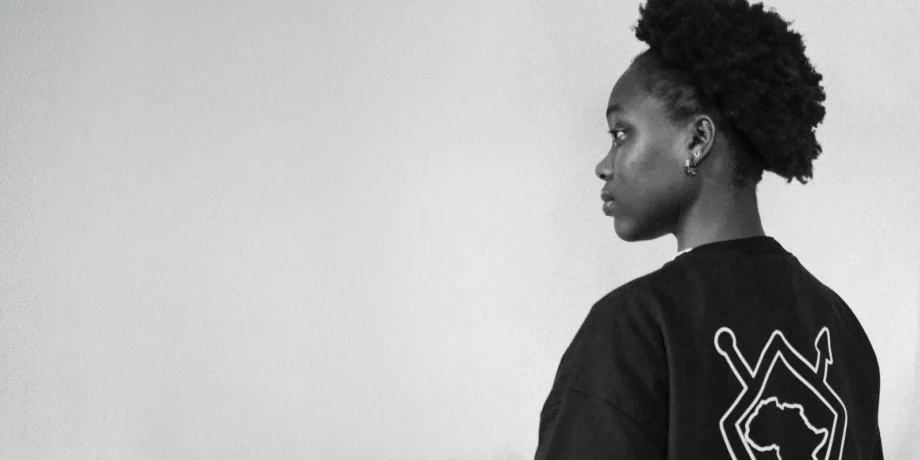
A finished garment may look effortless, but every Blvck Africa release begins with a series of deliberate decisions about meaning, fit, comfort and how the piece will live in the real world.
This is the journey from an early idea to a garment ready to wear. Exact fabrics, construction details and branding methods can vary from one product to another, but the purpose remains consistent: create streetwear with a clear identity, a strong silhouette and everyday function.
1. Every piece starts with a reason
Before colours, graphics or fabric choices are considered, the first question is simple: why should this piece exist? A new garment needs a place in the collection. It may complete a look, respond to a season, introduce a new silhouette or carry an idea that deserves to be seen.
Blvck Africa draws from African identity, street culture and the confidence of people who express themselves without asking for permission. The concept is translated into references, rough layouts and a clear direction for the mood of the release. This stage prevents a design from becoming decoration without meaning.
2. The silhouette comes before the surface
A strong graphic cannot rescue a garment that feels wrong. The shape has to work first. Length, width, shoulder position, sleeve volume and how the piece sits on the body all influence the final attitude. A relaxed T-shirt, structured cap, hoodie and pair of sweatpants each require a different balance.
The intended use also matters. Streetwear should look considered while remaining comfortable enough for real days and real movement. The design process looks at how a garment layers, how it changes when worn oversized or true to size, and how easily it can be styled with the rest of a wardrobe.
3. Materials are chosen for the garment
There is no single material that works for every piece. Fabric is assessed according to the feel, weight, structure and performance the design needs. A hoodie benefits from warmth and a substantial hand feel. A tee needs comfort and breathability. Headwear needs enough structure to hold its shape while remaining wearable.
Colour is considered alongside the material because the same shade can appear different across textures. Black, white and neutral tones provide a versatile foundation, while focused accent colours can give a drop its own energy. The goal is a palette that looks strong on its own and works with pieces customers already own.
4. Artwork and branding are refined
Once the garment direction is clear, the branding is developed for the actual surface—not only for a screen. Scale, position and contrast are tested because small changes can completely alter the balance of a piece. A chest mark should feel intentional. A large back graphic needs enough space to breathe. Embroidered details must remain readable at their final size.
The application method depends on the garment and the design. Different pieces may call for printing, embroidery or another suitable finishing technique. What matters is choosing a method that supports the artwork, the material and the way the item will be worn and cared for.
5. Sampling turns the idea into something real
A sample reveals what a mock-up cannot. It shows how the garment hangs, whether a graphic is positioned correctly and whether the overall proportions feel balanced. It also exposes details that need refinement: a mark may be too high, a fit may need more room or a colour may need adjustment.
This stage is about editing. Strong design often comes from removing what is unnecessary and correcting small details until the piece feels clear. The sample is reviewed as a complete garment rather than as separate fabric, fit and artwork decisions.
6. Production requires consistency
After the sample direction is approved, the garment moves into production. Consistency matters across sizes and across the full run. Branding placement, colour, finishing and the overall look should remain aligned with the approved piece.
Because different products use different materials and finishes, the production approach is matched to the item. The objective is not to force every garment through the same process. It is to preserve the original design intention while producing a piece customers can wear with confidence.
7. The final check
Before a garment is ready for a customer, it should be looked at as both a product and part of the wider collection. Is the branding clean? Does the piece match the approved direction? Is the presentation right? These final checks protect the consistency of the brand and reduce avoidable problems.
The process does not end at launch. Customer feedback, fit questions and how people style each release all inform what comes next. Streetwear lives through the people wearing it, so every collection becomes part of the learning behind the next one.
Made to carry meaning
For Blvck Africa, the goal is more than placing a logo on clothing. It is to create garments that connect identity with everyday wear—pieces that feel comfortable, look intentional and give the wearer room to make them personal.
See the process come to life in the latest Blvck Africa collection.